

Safety Considerations When Buying Kids Beds Bunk
Bunk beds are an excellent way to save space and provide a fun element to a child's room. When a bunk bed isn't well designed, it can cause a safety risk.
Be sure to prohibit horses, and avoid hanging items from the top bunks (like jump ropes or scarves), and ensure that any ladders used are secure. Continue reading to find out how to design a bunk bed for children that will last for a long time.
Safety
When it comes to kids beds bunk, safety should be a top concern for parents. A bunk bed that meets the standards for safety in the United States can reduce the risk of injury. In addition, supervising children when they sleep and enforcing safety standards can reduce the chance of accidents occurring. Also, making sure that children's bunk beds are assembled correctly and maintained will further reduce the chance of accidents.
The most frequent reason for injuries that occur in bunk beds for kids is falling off the top bed. It is crucial to install guardrails on the sides of the bed's top to prevent this. These rails should rise at least five inches above the mattress's surface to create a a safe barrier against accidental falls.
It is important to ensure that the railings not loos or gapped and the space between them is enough to keep a child's head or limbs from being caught. It is an ideal idea for the mattress to fit snugly within the frame of the bunk beds, to avoid gaps that could pose a hazard.
Additionally it is suggested that parents supervise their children as they sleep on the top bunk and that they teach them how to climb the ladder. It is also a good idea to remove any obstructions or tripping hazards around the top bunk and ladder access point.
In general, it is best to only allow one child to sleep on the top bunk, since children younger than six are too young to be capable of safely navigating the ladder. Likewise, it is an excellent idea to check the bunk bed for any damaged or loose parts that might require tightening, and to enforce the manufacturer's weight restrictions on both the lower and top bunks. In addition, it is important to avoid adding any unnecessary items to the bunk bed, as these can weaken the structure and increase the risk of accidents.
Design
Built to reduce space in children's bedrooms They are also a fun way to create an area for play, a study zone or even a bedroom. Why not make it more exciting for your kids by adding bunk beds to their room? A standard bunk bed allows one child to sleep on top and the other to sleep below. Consider a loft-style bunk with an integrated staircase or banister. This improves accessibility and also ensures that toddlers can safely access the top of the bed. This is a great choice for small bedrooms. It can also be converted into two beds as your children get older.
Many bunk beds have built-in shelves and drawers that can be used to store clothing, toys and books. Adding these extra storage options makes it easier for children to keep their rooms tidy and neat. They can also be used for storing bedding and other materials and ensure that your children will always have plenty of clean sheets for sleepovers. If you do not have space to accommodate these extra storage options you can put the bins in a set or freestanding near the bunks to provide an easy and efficient solution.
A neutral-colored bunk bed could be a great choice for any room in the child's bedroom, and it can be adjusted as they grow older. It's easy to pair with a range of furniture for bedrooms and is a great choice for a modern or contemporary home. It's a classic design that will never out of fashion and is a great option for kids who will have this bed for years to come.
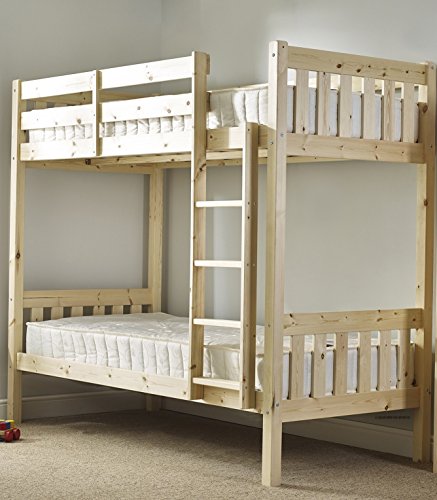
Think about a wood finish that has an elegant style if you are looking for a bunk bed that will look great in your child's room. This bed is a classic design that can be incorporated into any decor, and it's also a good option for families with smaller bedrooms or who have lower ceilings. There's a broad choice of wood bunk bed sizes, heights, entry designs (ladder or stairs) as well as finishes and colors on our collection page.
Stability
Stability is a key factor when buying bunk beds for kids . The design and the materials used in the bunk bed play a major role in this. Cheaper wooden frames tend to wobble, and become dangerous, as are metal frames. Stability is further improved by making sure that the ladder of the bed is securely attached to the bunk and that it is at a level that is safe for children to climb.
Another safety feature to consider is the presence of guardrails on both sides of the top bunk to minimise the risk of falls. They should be placed at least 5 inches above the surface of the mattress and checked regularly to ensure that they are not damaged or installed incorrectly. The mattress should be designed to fit snugly within the frame. This will prevent gaps that could cause the mattress to become entangled. In addition, it's an excellent idea to think about the capacity of the mattress to anticipate the possibility of growth and changes in body weight over time.
Make sure you check for missing or loose screws on your bunk bed on a regular basis. This is particularly crucial if you have children who use the bunk beds, as they can easily remove the bunks or move them when they are bored.
Installing furniture anchors in the wall for attachment to furniture and bunkbeds to prevent them from falling is a great idea. They are easy to install and are a great addition to your child's security.
It is recommended that you wait until your children reach at minimum six years old before sleeping on the top bunk, as that's when they're most likely ready to manage the climb up and down without assistance. If you have kids who are young it may be better to consider a corner loft bed or bunk bed that can be divided into separate beds so that your children don't get into a fight every night over the top bunk.
Storage
A loft or bunk bed is an integrated unit that consists of at least two beds stacked on top of one another. The furniture is an enjoyable way to make the most of their the space on their floors and can offer many storage options, ranging from under-bed drawers to stairs that double as shelves. These pieces are available in a variety of designs of finishes, designs, and sizes that will fit in with any room for children. You can even find a piece that can be split into separate full-size and twin beds to allow for flexibility as your child grows up.
A bunk bed that is designed for kids with storage can turn your bedroom into a fun castle or a cozy nook for games and naps. It can also turn the bedroom into a place where children can be organized and learn to keep their space neat and tidy. Contrary to storage beds that provide open space below, these models often feature built-in shelves or drawers to help keep them organized and clutter-free.
Some models also have stairs that provide an alternative way to climb to the bed. This can be a great option for children who do not yet have the strength to climb the ladder on their own. Some ladders have an entrance ladder and an end one for convenience. You can then pick the option that is most for your child's room.
If you're not quite sure whether your children are ready for a bunk, consider an alternative bed called a loft. These elevated pieces can still make the most of floor space and can be fitted with shelves or a desk to create an all-inclusive study and storage solution. This Maxtrix Star loft bed is an excellent example. It comes with a desk which can be used as an office or as a play area for creative kids, with shelves on both sides to store books, toys, and other belongings.
In addition to safety concerns, other considerations for a loft or bunk bed for kids include the materials and design. Avoid flimsy or cheaply made bunks that can break easily, and opt for sturdy metal and wood frames. Make sure that the bunk has passed third-party testing to ensure that it is up to or above national and international standards for structural integrity, stability, and lead content.